As I briefly reflected on in a previous post, there were changes in action film genre from the 1980s to the 1990s. The last films that resembled those of the 1980s were arguably Total Recall and Navy SEALs which both released in 1990. There was some deconstruction of the genre that followed with both The Last Action Hero and Demolition Man, mentioned in the linked post and many films also took a much sillier turn. You could make all sorts of arguments about what caused these changes. You could point to Die Hard‘s more “everyman” protagonist or James Cameron inserting the somewhat jarring sentimentality into his sequel to the SciFi/Horror film The Terminator. You could argue a lot of things but they certainly changed.
One of the more notable changes in the 1990s was Nicolas Cage leaving his more dramatic roles to become an action star. After his Academy Award winning performance in 1995’s Leaving Las Vegas he went on to star in The Rock, Con Air and Face/Off in 1996 and 1997. Although this was not the end of his dramatic roles, he became known for his action films and continued to appear in a number of others.
I remember well seeing The Rock in the cinemas in 1996 when I was twelve years old and thinking back as I often do on my childhood, I really should not have been allowed to watch this film when I was twelve. This was also my first introduction to Nicolas Cage who my parents probably recognised from films like Raising Arizona and Moonstruck. The Rock is also a film I’ve mentioned in another post and that was also the second film by director Michael Bay and if I was asked to choose a film that most represents 1990s action, this would be my go-to film.

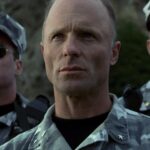
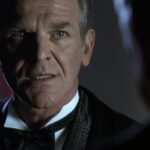
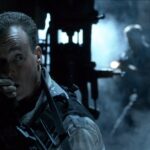
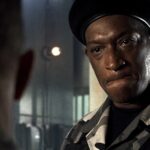
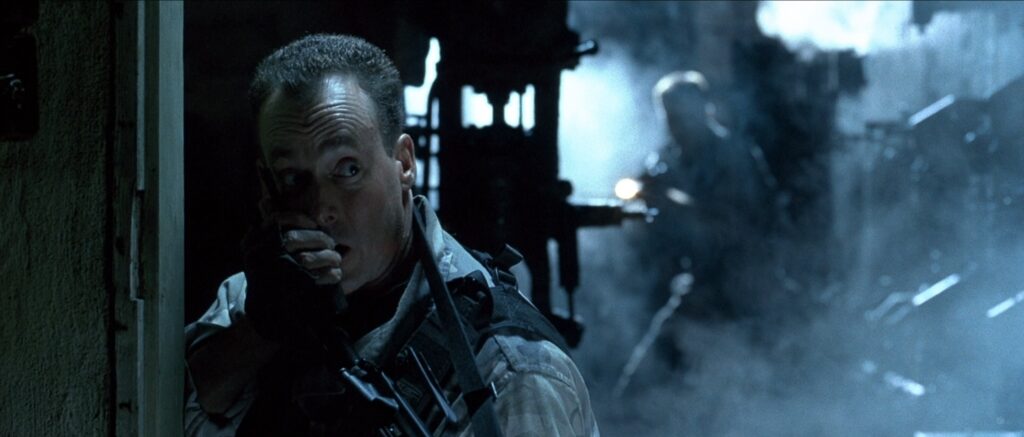
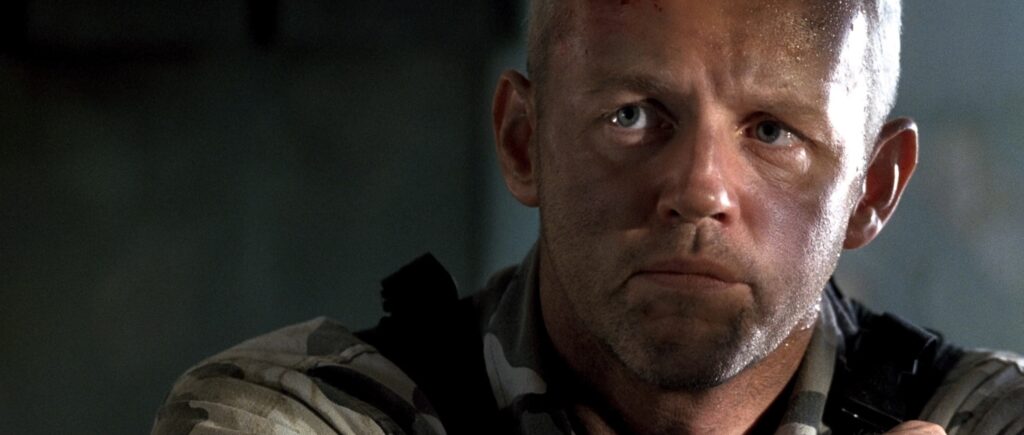
The first area of interest is just how amazing the casting was for the time. Sean Connery, Nicolas Cage and Ed Harris were given prominence in the advertising but it also stars David Morse, John Spencer, William Forsythe, Tony Todd, John C. McGinley and Michael Biehn. If you’ve not heard these names, you would certainly recognise their faces as they’ve all appeared in many films and television series before and since. John C. McGinley is better known for comedy roles today so hindsight makes his role as a rogue US Marine amusing. Michael Biehn appeared in many action films throughout the 80s and this is his third time (at my count), playing a Navy Seal.

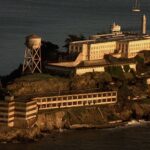
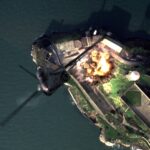
The film’s plot revolves around General Frank Hummel (Harris) seeking redress for soldiers killed in black ops that he had participated in going back to the Vietnam War. As legal channels had failed, his solution is to steal VX poison gas rockets and take control of Alcatraz Island in San Francisco Bay; threatening to unleash these rockets against the surrounding civilian population should his demands not be met. His motivations are outlined vividly during the opening credits and the first action sequence of the film shows Hummel and his rogue marines raiding a naval base for the rockets; being careful to use non-lethal means against their fellow soldiers. One aside I should add here is that VX works nothing like shown in the film. It is enough to know that it is not stored in beads of unstable glass balls and it does not melt your skin when you are exposed to it.
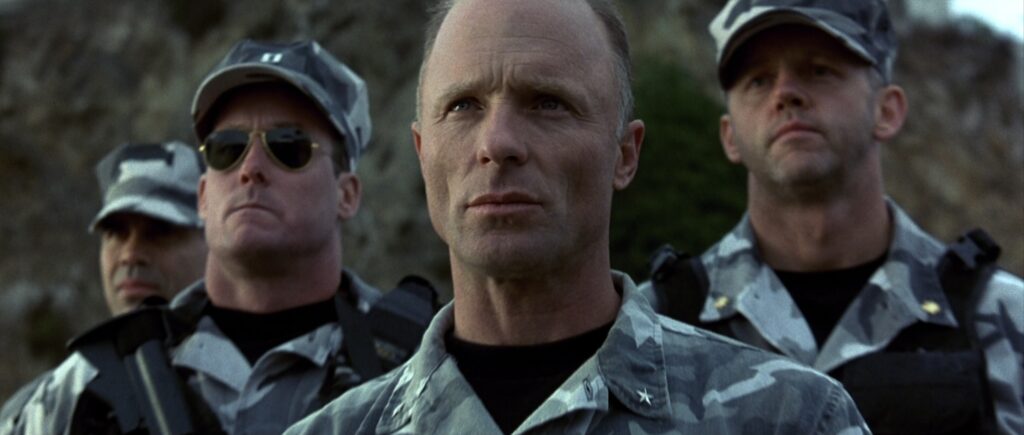
Outside of the nerve gas, the problem with the premise should be obvious and was even to me as a boy. An honourable man who is genuinely seeking justice is not going to attempt to get it by threatening to kill tens of thousands of innocent people to achieve it. And even if that were so, his unwillingness to kill shown in the opening raid on the naval base, gives the authorities enough information to know that it is worth calling his bluff. The screenwriter was obviously conscious of this too and so this feeds into the plot in the second half of the film and forms a major part of the climax but it is nonetheless a flawed premise. It is not so flawed that it doesn’t still work for the film though.
What is more interesting about the film is how soon the film’s complication falls into the background after Hummel and his marines take control of ‘The Rock’. Cage’s character FBI Agent Stanley Goodspeed is then introduced as a chemical specialist tasked with investigating a package sent to the FBI head office. This turns out to contain both bomb and lethal gas with Goodspeed able to stay calm and disarm it just in time; setting him up as the man of the moment. He is later found relaxing at home only to learn his soon-to-be-fiancée is pregnant which naturally becomes important later.
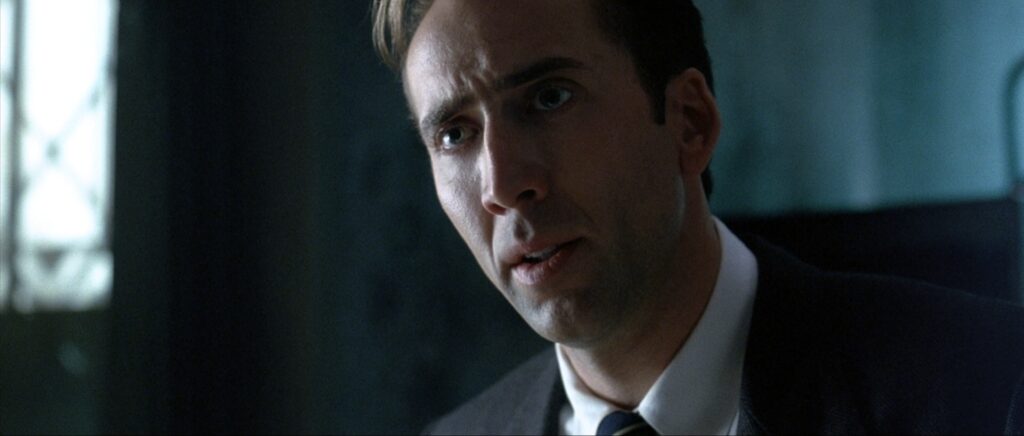
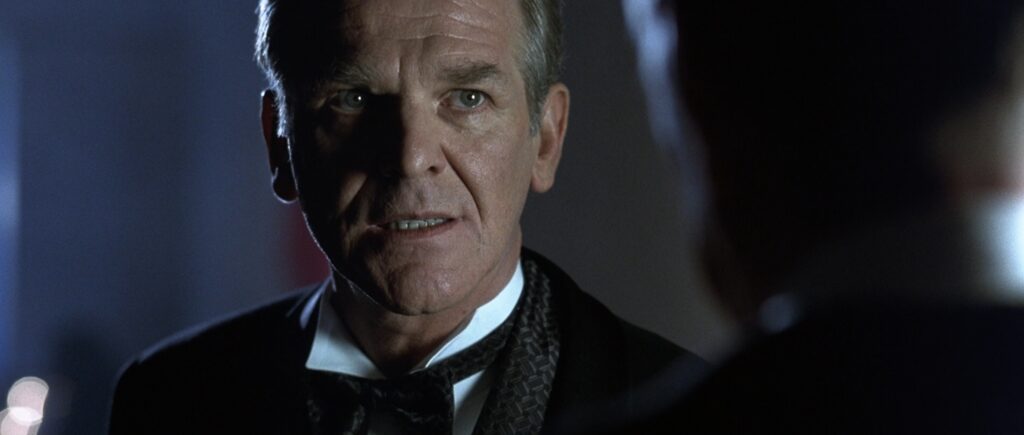
Sean Connery’s character, John Mason is introduced soon after Goodspeed as the only former prisoner of Alcatraz ever to escape and so one who can help them get back in. Through some artless but effective exposition, he is revealed to be a former SAS soldier from Great Britain who was caught and imprisoned after stealing a microfilm that any dedicated conspiracy theorist could only dream of. The only problem is that FBI Director Womack (John Spencer) and Mason have a mutual grudge against each other. Goodspeed is sent in as an unknown to talk Mason and they have their first of what is to be many amusing scenes together. Thinking about it as I write, I would say that Connery and Cage is what makes the film really work and without these two, it would be a serviceable but likely forgettable action film.
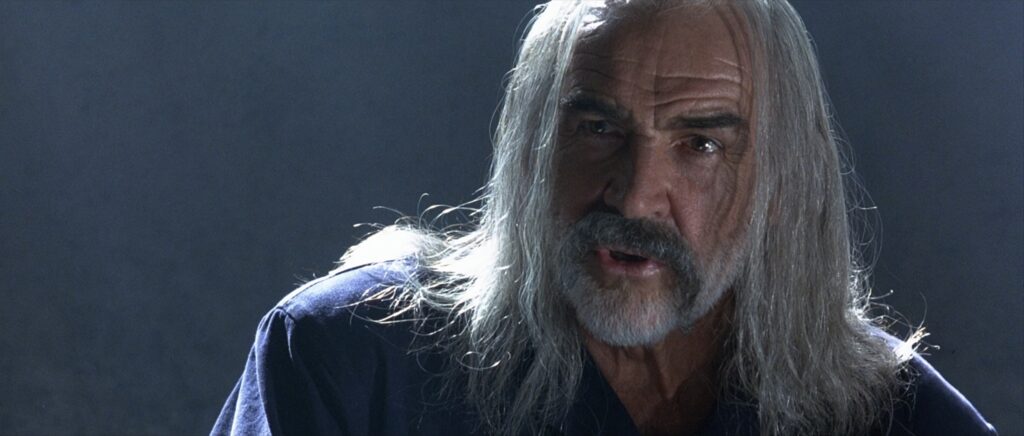
Mason turns out to be a little more difficult and demanding than one would assume which makes sense as Connery was then in his late sixties and getting close to retirement. This leads to his escaping followed by an exciting and explosive chase through the streets of San Francisco with all the visual excess that Bay would later become notorious for. The film then ever so close to belatedly returns to the main premise with the stakes raised with Goodspeed’s pregnant fiancée and Mason’s estranged daughter both present in the city under threat by Hummel and his rogue marines.
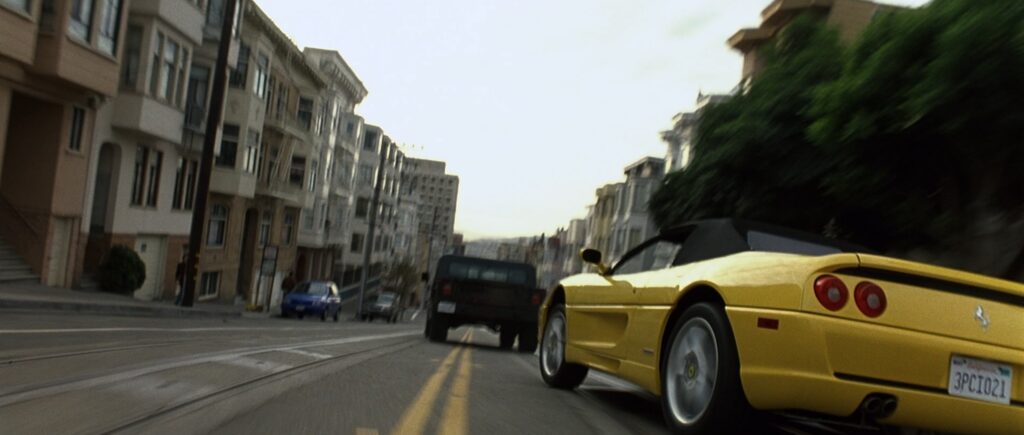
Goodpseed and Mason are paired with a team of Navy Seals led by Commander Anderson (Michael Biehn), who reveals that Goodspeed will not just be an advisor but joining the mission to retake Alcatraz and neutralise the threat. Though shown to be capable, Goodspeed is similar to John McClane in the original Die Hard, as a man thrust into a desperate situation he is not ready for and who must rise to the challenge. This works especially well given this was the first time Cage had ever appeared in an action role.
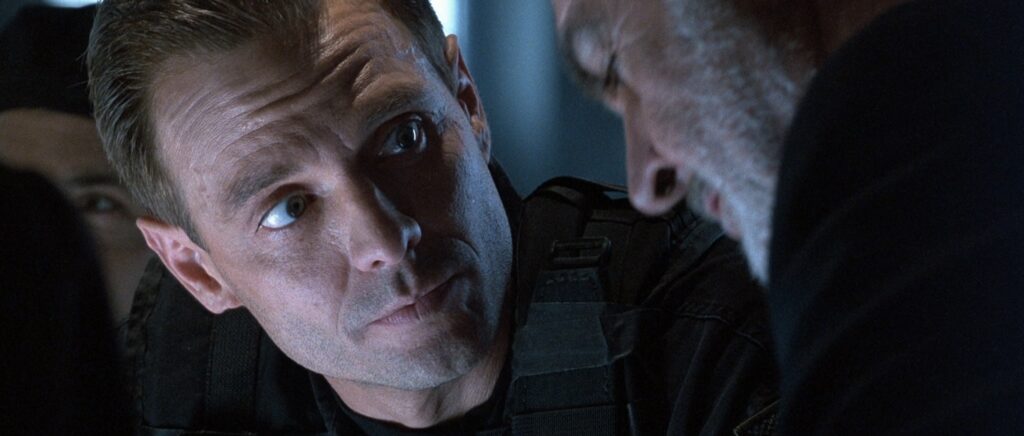
It might sound like the film’s pace is slow given it is a fair way in before we really get to ‘The Rock’ but the action is constant and it doesn’t actually slow down until after Goodspeed, Mason and the SEALs arrive on the island. The team is ambushed while infiltrating through the shower block (an eventuality set-up earlier), and the team goes down in a patriotic blaze of glory leaving only Mason and Goodspeed to save the day. Mason, feeling he owes nothing the nation that imprisoned him, seeks to escape and Goodspeed well knows he’s not capable of completing the mission alone. From their first meeting, Mason is visibly unimpressed with Goodspeed’s false bravado but can see he is earnest and reluctantly returns to help. Goodspeed is then able to rise to the occasion with the guidance of his unlikely mentor. As I stated, this dynamic is the strongest element in the film outside of the action and really holds it all together.
The soundtrack is also particularly memorable with music by Hans Zimmer, Harry Gregson-Williams and Nick Glennie-Smith. I don’t know which one of these men made the stronger contribution so I’d be remiss if I didn’t mention all of them given how good it is. This soundtrack has obviously had a huge influence on films that followed as well as a number of video games. The 1998 PlayStation video game Metal Gear Solid certainly did and Gregson-Williams was brought in for its two sequels.
As I’ve mentioned much of the plot, I will not discuss more but I should mention the fan theory that this is a James Bond film in disguise. The theory is basically that John Mason is meant to be James Bond and the names do have a reversed assonance that gives initial credence to this. Mason is from Her Majesty’s SAS which is a unit of the British Army and James Bond officially held the rank of Commander in the Royal Navy. Nonetheless, the idea that he was caught on a mission in the United States, disavowed by his government and imprisoned is plausible. I don’t take it seriously but it is fun to think about while watching the film. This was also one of the last good film Sean Connery appeared in before his retirement so if true, it is a nice send off for his most famous role.
As should be clear, it is not a particularly deep or clever film but it is entertaining and certainly survives re-watching as many who had it on VHS or DVD all those years ago could tell you.